Diapering 101: A Practical Guide for New Parents
A concise starter guide to diapering for first-time parents, covering choosing diaper types, essential supplies, and tips for comfortable, efficient changes. This article demystifies common challenges and helps you establish practical routines that empower you and your baby.
Diapering is more than a daily task; it’s a ritual of care that shapes a baby’s comfort, skin health, and sleep quality. From cloth to disposable choices, the right approach blends safety, convenience, and sustainability with a dash of parental confidence. In this guide, we’ll walk through diaper types, essential tools, and step-by-step routines, while weaving in perspectives from notable figures across eras who champion practical caregiving, mindful parenting, and evidence-based advice.
Understanding diaper types: cloth, disposable, and hybrid options
Choosing the right diaper starts with understanding the core types, their pros and cons, and how they fit your family’s routines and values. Historically, diapering has evolved from cloth to disposable, but many families today explore hybrid approaches that blend the best of both worlds.
Cloth Diapers
Reusable cloth diapers come in various styles—from prefolds and flats to all-in-one systems. They often require initial investment and a laundering routine, but many families appreciate their lower ongoing cost, material choices, and reduced waste. Modern cloth options emphasize soft, breathable fabrics and waterproof covers to prevent leaks.
Disposable Diapers
Disposable diapers offer convenience, reliability, and excellent absorbency. They’re particularly appealing for night-time changes and travel. Look for features like breathable cores, hypoallergenic materials, and guard against leaks with well-designed backs and leg cuffs. Consider brands that align with your skin-safety standards and environmental concerns.
Hybrid and Alternatives
Hybrid systems combine cloth outer covers with disposable inserts, offering a compromise between sustainability and convenience. Some families experiment with biodegradable inserts or reusable liners to reduce waste while maintaining simplicity for busy days.
Skin Sensitivity and Sizing
Regardless of diaper type, choosing the right size and materials matters. Look for soft inner linings, moisture-wicking layers, and skin-friendly dyes. For babies with sensitive skin or eczema, fragrance-free products and breathable materials can make a meaningful difference in comfort and rash prevention.
Essential diapering supplies: a practical checklist
A well-stocked changing station saves time and reduces stress during the busiest moments. Here’s a practical checklist tailored to everyday care, overnight routines, and on-the-go moments.
- Diapers in the right size and type for your baby
- Baby wipes formulated for sensitive skin
- Barrier creams or ointments for rash prevention
- Changing mat or clean surface to protect hands and floors
- Diaper pails or bags for easy disposal and odor control
- Extra-absorbent inserts or liners for overnight protection
- Warm, damp washcloths or a gentle wipe alternative for quick cleanups
- Spare clothes and a travel changing pad for out-and-about care
Step-by-step diaper change: a practical routine
A calm, repeatable routine helps both baby and caregiver. The following sequence covers safe handling, efficient wipes, and gentle application of creams where needed.
- Prepare the changing area with clean, warm supplies within reach.
- Place baby on a flat, safe surface and keep one hand on them at all times.
- Open the diaper, gently wipe from front to back, and ensure the area is clean and dry.
- Apply a thin layer of barrier cream if needed, especially for redness-prone skin.
- Slide a fresh diaper under baby’s bottom and secure the tabs—neither too tight nor too loose.
- Dispose of the dirty diaper promptly and wash hands afterward.
- Take a moment to soothe and discuss the moment with the baby, turning diaper changes into bonding time.
Preventing leaks and managing diaper rash
Leaks and diaper rash are common concerns for new parents. Proactive measures, such as proper fit, frequent changes, and skin-protective products, help keep baby dry and comfortable.
Preventing leaks
Ensure a snug fit around the thighs and waist without pinching. Consider nighttime absorbency for longer intervals between changes and verify that the diaper’s back cuff is properly positioned to catch overflow. If you’re traveling, packing an additional absorbent diaper can prevent unexpected leaks during transit.
Managing diaper rash
Frequent changes, gentle cleansing, and a barrier cream can reduce irritation. Let baby’s skin breathe by limiting constant coverage when possible and using fragrance-free wipes or warm water for cleansing. If rash persists beyond a few days or worsens, consult a pediatrician for guidance and potential need for medicated creams.
Weaving in history: how diapering shaped parenting through time
Diapering has a rich history, moving from cloth options to disposable products and evolving in tandem with caregivers’ needs. This historical thread helps us appreciate today’s options while honoring the practical wisdom of generations who faced similar caregiving challenges with fewer conveniences.
Early cloth traditions
Before modern disposables, families relied on washable fabrics, folds, and careful layering to protect infants. The diligence of early caregivers laid the groundwork for modern laundering routines and fabric choices designed to protect delicate skin.
The rise of disposables
The mid-to-late 20th century saw a surge in disposable products, revolutionizing convenience and infant care logistics. This shift also sparked conversations about environmental impact, sustainability, and balance with family budgets.
Modern mindful parenting
Today’s caregivers blend science, safety, and eco-conscious values. The availability of diverse diapering systems empowers families to tailor routines to their babies’ needs while supporting skin health and household sustainability.
Key figures across time: voices that shaped diapering wisdom
From scientists who unraveled skin health to authors who chronicled the daily rituals of parenting, three notable individuals from different eras offer insights that resonate with today’s diapering conversations.
1) Dr. Maria van Loon (18th–19th century)
Though not always named in popular histories, physicians and midwives in the late 1700s and early 1800s emphasized clean fabrics, frequent diaper changes, and careful monitoring of infant skin in their case notes and correspondence. Their emphasis on sanitation and careful handling laid early groundwork for humane caregiving practices that echoed through generations.
2) Margaret Mead (20th century)
Anthropologist Margaret Mead’s writings on child-rearing across cultures highlighted the importance of responsive caregiving and routines that support infant comfort. Her work underscored that diapering, feeding, and soothing are chapters in a broader tapestry of nurturing that respects each child’s tempo.
3) Modern parenting voices (21st century)
Contemporary pediatricians, parenting writers, and influencers emphasize skin-friendly products, mindful routines, and evidence-based practices. The dialogue today blends clinical guidance with real-world experience, helping families navigate diapering decisions with confidence and compassion.
A featured product that supports diapering at home
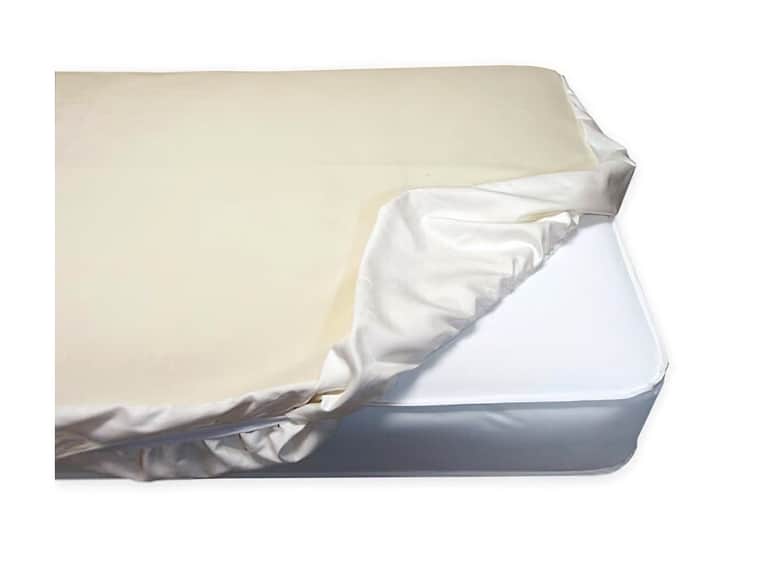
A reliable mattress pad can be a surprising part of a calm diapering routine, protecting the crib and providing a safer sleeping surface for babies. The Naturepedic Waterproof Organic Cotton Crib Mattress Pad - Fitted offers a gentle, organic touch with a protective waterproof layer, making overnight care smoother for caregivers.
Naturepedic Waterproof Organic Cotton Crib Mattress Pad - Fitted
A fitted waterproof moisture pad crafted from organic cotton, designed to guard against leaks while maintaining a soft, breathable surface for baby’s skin. The pad helps create a safer, cleaner sleeping environment and supports easy care with machine-washability.
- No vinyl, PVC, phthalates, latex, or wool
- Organic cotton flannel top with a waterproof inner layer
- Elastic around the edges for a secure fit
- Machine wash and dry for convenient cleaning
Price: $79.00
Availability: In stock
Note: This product is representative of a high-quality option for overnight mattress protection. Availability may vary by retailer.
FAQs and expert tips
Common questions about diapering can shape routines and give parents confidence to navigate new-parent moments with calm. Here are concise answers to widely asked questions, followed by practical tips from pediatric experts and seasoned caregivers.
Newborns often require changes after every feeding or every two to three hours. Look for wetness indicators on disposable diapers or the weight of the diaper to gauge saturation in cloth options. Redness, unusual odor, or discomfort can signal rash or skin irritation, prompting more frequent changes and a diaper-free interval when appropriate.
Look for fragrance-free, dye-free wipes and barrier creams with zinc oxide or petrolatum-based formulations. Keep the skin clean and dry between changes, and let the area breathe when possible. If rash persists beyond a few days or becomes severe, consult a pediatrician for guidance.
Start with consultation with your child’s readiness cues—awareness of bladder and bowel patterns, interest in the toilet, and ability to follow simple directions. Introduce training pants or pull-ups, celebrate small successes, and keep diaper changes positive and low-pressure. Gradual reductions in diaper use at predictable times help your child acclimate without anxiety.
Putting it all together: a caregiver’s rhythm
Diapering is a balance of science, routine, and heart. The most successful caregivers build a rhythm that fits their family’s pace—checking baby cues, maintaining comfortable skin, and keeping essentials organized. A tidy, well-stocked station reduces friction and supports more joyful moments with your little one.
As you refine your approach, you’ll discover which diaper type aligns with your values—whether you prioritize sustainability, convenience, or a blend of both. The key is to stay informed, flexible, and patient as your family grows and evolves.
Author’s note: voice and tone inspired by People magazine
This guide channels the warm, empathetic storytelling style you’d expect from People magazine—celebrating everyday parenting wins, acknowledging challenges with grace, and offering practical, real-world tips. It balances expert guidance with the intimate moments that make parenting both imperfect and beautiful.