A Practical Guide to Accessing Diaper Banks: Navigating Help and Resources
This guide expands on the practical pathways families can take to locate local diaper banks, understand eligibility, and maximize available assistance. It also offers a window into the people who catalyze these programs and the volunteers who sustain them, along with a realistic view of how donors and community partners can contribute to lasting change.
For decades, diaper banks have stood as essential nodes in the social safety net. They translate private generosity into public good by providing a stable hygiene foundation for families navigating financial strain. This article, written in a National Geographic-inspired voice, traces the field’s contours: the geography of diaper insecurity, the structures of diaper banks, the logistical realities of aid distribution, and the human stories that anchor this work.
1) What diaper banks are and whom they serve
Diaper banks are community-based programs that collect, store, and distribute diapers and related essential items to families in need. They operate across a spectrum—from neighborhood mutual aid collectives to formal nonprofit service centers—and they partner with welfare agencies, healthcare providers, and faith-based organizations to reach families who might otherwise go without. While diapers themselves are not a universal entitlement in many jurisdictions, diaper banks create a critical bridge to stability: they help prevent diaper-related health risks, reduce caregiver stress, and support early childhood development by ensuring infants remain clean, dry, and comfortable.
The populations served by diaper banks are diverse, but a common thread unites them: caregivers who experience financial hardship and need reliable access to diapers for their children. Dependencies can include single-parent households, families with health-related financial strains, and communities encountering sudden economic shocks. By design, diaper banks emphasize dignity, accessibility, and quick, respectful onboarding—recognizing that the moment a family receives essential supplies can change the trajectory of daily life.
Importantly, diaper banks are not only about diapers. They frequently connect families with related resources such as formula, clothing, baby wipes, healthcare guidance, and referrals to social services. The best programs treat diaper access as a gateway to broader social support networks.
2) How to locate nearby diaper banks: a directory approach
A directory-style approach is the most practical way to help families find diapers quickly. A well-structured directory includes:
Location-based listings (city, county, zip code)
Service details (diaper sizes, frequency of distribution, eligibility criteria)
Hours of operation and contact information
Partnerships with health clinics and social service agencies
Notes on accessibility (language options, transportation considerations, childcare needs)
When building the directory, prioritize accuracy and timeliness. Diaper banks may adjust hours, change intake procedures, or update eligibility rules in response to funding shifts or public health guidance. A robust system includes a process for user-submitted updates, a changelog, and clear indicators of verified vs. user-suggested data.
In practice, a directory might be structured around geography first (city/region) and then by attributes (in-person pickup, drive-through distribution, eligibility criteria). A search feature with filters such as “new family,” “pregnant/postpartum,” or “healthcare referrals” can dramatically improve usability.
3) Step-by-step guide: applying for assistance
This section offers a practical, step-by-step workflow that families can follow when seeking diaper assistance. Real-world programs often share similar processes, though wording and required documents may vary.
Identify a diaper bank via the directory and confirm current hours and eligibility rules.
Prepare documentation commonly requested by programs. Typical items include:
Proof of household income or participation in public assistance programs
Identification for the caregiver and, if required, the child
Proof of residence (lease, utility bill, or official mail)
Completed intake form or online application
Submit the application or complete the intake in person.
Attend any required orientation or program briefing, if offered.
Receive diapers and related supplies, and request follow-up contact for future distributions.
Document any changes in circumstances and maintain contact with the program for ongoing support.
Remember: distribution staff are there to help. If you encounter barriers, ask about alternative distribution days, backup items (e.g., wipes, diaper rash cream), or transitional assistance programs that could bridge to longer-term resources.
4) Common eligibility considerations
Eligibility criteria for diaper banks vary by program and location. Many banks request:
Demonstration of caregiving for a child in need of diapers
Proof of income level or enrollment in public assistance programs
Residency within the service area
Discretionary caps on diaper quantities per distribution period
Some programs widen access for pregnant people or recent parents, recognizing the early postnatal period as a time of heightened need. Others offer priority to families with specific health-care needs, such as children with dermatitis or chronic illnesses requiring consistent diapering routines. The goal is not punitive screening but efficient, compassionate triage to ensure those most in need receive timely aid.
5) A year in the life of a diaper bank: operational rhythms
Diaper banks operate within a rhythm shaped by donations, inventory, and community partnerships. A typical cycle includes:
Donation drives and supply chain logistics to maintain a healthy balance of sizes and products
Volunteer-led distribution events that incorporate safety and dignity considerations
Regular outreach to healthcare providers for referrals
Shared learning with other nonprofit partners to optimize service delivery
Success is measured not only by the diapers distributed but by the quality of relationships built with families and the resilience of the programs to adapt to changing conditions, such as economic downturns or public health emergencies.
6) Key individuals across time: three profiles
The diaper aid movement, like many social initiatives, has been shaped by people whose work spans generations. Here are three illustrative figures from different eras who have contributed to the ethos of community-based care:
A. The Early Community Organizer (Mid-20th Century)
In the postwar era, local mutual aid networks began to formalize into more structured social services. Figures in this period often organized neighborhood drives, established informal diaper exchanges, and connected families with public resources. They laid the groundwork for today’s diaper bank models by demonstrating the power of collective giving and neighbor-to-neighbor support.
Legacy: A culture of hospitality and practical assistance that prioritizes dignity, respect, and accessible help—principles that persist in modern diaper banks.
B. The Public Health Advocate (Late 20th to Early 21st Century)
Public health professionals and nonprofit leaders began to articulate the broader importance of hygiene, nutrition, and early childhood development. They championed evidence-based practices, integrated diaper access with other health and social services, and promoted standardized screening for families' needs. Their work helped elevate diapers from a purely logistical item to a health and developmental necessity.
Legacy: A framework for collaboration among healthcare systems, social services, and community groups—an approach that underpins today’s diaper resource networks.
C. The Contemporary Fundraiser and Policy Ally (2010s–present)
In recent years, donors, grantmakers, and policymakers have joined forces to sustain diaper banks at scale. Innovative fundraising models, corporate partnerships, and advocacy for diaper assistance programs have enabled more consistent distributions, better inventory management, and expanded geographic reach. This era also emphasizes equity—ensuring that families in rural areas, immigrant communities, and those facing language barriers can access resources with minimal friction.
Legacy: A more resilient ecosystem where generosity translates into measurable social impact, and policy aligns with on-the-ground relief efforts.
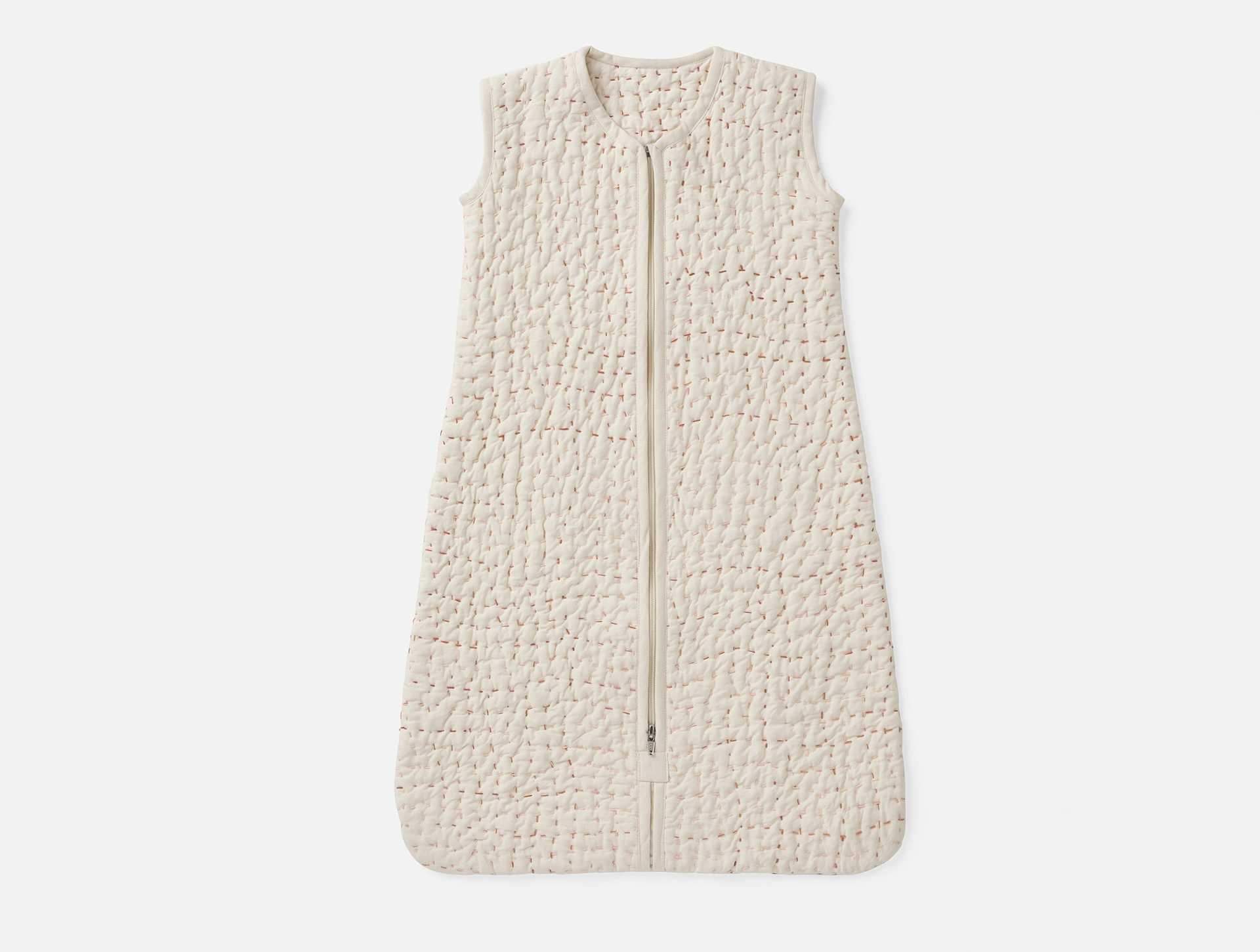
Among infant textiles that emphasize safety, sustainability, and comfort, the Pebbled Handstitched Organic Snuggle Sack stands out as a small but meaningful example of how fabric choices intersect with daily caregiving. This snuggle sack is crafted from 100% certified organic cotton sateen, finished with handstitched embroidery, and designed with a covered front zipper and arm openings to ensure easy diaper changes while keeping a baby snug and safe.
Its GOTS and Fair Trade certifications signal ethical production, from the cotton’s cultivation to the factory floor. For families receiving diaper assistance, such textiles can become trusted items that support calmer, more predictable sleep environments—an essential complement to the practical help of diapers themselves.
Product details: 100% organic cotton sateen, handstitched embroidery, covered front zipper, arm openings, GOTS and Fair Trade certified. Origin: India. Price: 98.00.
Image needed
Images source: Coyuchi Snuggle Sack product page
Note: Images display with the article’s content where appropriate. The product showcased here serves as a tangible example of how thoughtful textiles can accompany diaper assistance programs, offering comfort and dignity to infants and caregivers alike.
8) How diaper banks integrate into a broader diaper.org strategy
A nonprofit domain like diapers.org can be a hub for a nationwide network of local programs. The strategy can include:
National directory of diaper banks with localized filters and accessibility considerations
Volunteer and donor portals that streamline sign-ups and impact tracking
Resource guides for applying to assistance, volunteering, and starting new programs
News and policy updates on diaper-related public health guidance and welfare provisions
The tone should remain empathetic, practical, and action-oriented, aligning with the identified identity of Direction C: a community-first resource network that connects families to resources and supports fundraising and volunteering efforts.
9) Accessibility, translation, and inclusivity
Given the diverse populations served by diaper banks, accessibility is essential. This includes:
Plain-language content and readability best practices
Translations into widely spoken languages within the service areas
Low-bandwidth optimization and offline printable resources
Clear, respectful language that honors the dignity of every family
An inclusive approach extends to the directory’s data model: fields for accessibility needs, shelter directions, and language preferences that enable users to find exactly what they need while feeling seen and respected.
10) Call to action: how you can get involved
Whether you are a caregiver in need, a volunteer seeking meaningful work, or a donor aiming to create impact, your participation matters. Consider:
Visit your local diaper bank and ask about the intake process, available sizes, and distribution schedules.
Volunteer as a distribution assistant, transportation helper, or inventory manager.
Support diaper-related aid through fundraising drives, corporate partnerships, or donor-advised contributions.
Join or form a diaper program in your community, leveraging best practices and ethical sourcing.
Every diaper distributed carries with it a ripple of relief—a moment of dignity restored, a child kept dry, a caregiver steadied. This is the power of community, translating generosity into practical hope.
11) Closing reflections: a map toward equity
The diaper economy is more than a supply chain; it is a measure of a community’s willingness to care for its most vulnerable members. By building a robust, inclusive, and accurate directory of diaper banks, nurturing partnerships with health and welfare agencies, and engaging volunteers with empathy and clarity, diapers.org can become a beacon for practical, sustainable aid.
As the world continues to confront social and economic shifts, diaper banks stand as a reliable, non-stigmatizing pathway to security for families. They reflect a society that protects its youngest members by ensuring that basic needs—like clean, dry diapers—are met with dignity and immediacy.
Wrap baby in cozy, breathable 100% organic cotton sateen with handstitched comfort. Arm openings and a covered zipper simplify changes, secure fit through wiggles, and machine wash easily for everyday wear. Pure, gentle, fair-trade warmth.
Soft, breathable organic cotton pad offers plush comfort on delicate skin; triple-layer gauze adds lightweight cushioning, while the zip pocket keeps wipes handy. Rolls up neatly for travel, built in India with fair trade and GOTS certification for peace of mind.
Sleep safely with organic, breathable comfort: a firm, flat surface, washable waterproof cover, and superior airflow keep baby cool and cozy, while lightweight design makes changes easy and messes a breeze.